
Moissanite vs Diamond: How to Tell Them Apart
 Diamond Tester Team ·
Understanding Moissanite vs Diamond
When you’re eyeing a sparkling stone, you might wonder: is it a diamond or moissanite? Both are popular choices for jewelry lovers, but they have distinct differences. Knowing how to tell moissanite from diamond can help you make an informed decision, whether you’re buying, selling, or simply curious.
Moissanite and diamonds share a striking resemblance, but they differ in sparkle, composition, and price. While diamonds are renowned for their enduring allure, moissanite has its own charm, often at a lower cost.
Visual Differences: Sparkle and Fire
One of the most noticeable differences between moissanite and diamond is their sparkle. Moissanite tends to have more fire, which means it reflects light in a rainbow of colors. Diamonds, on the other hand, offer a subtler brilliance with more white light reflection.
How to Observe Sparkle
- Position the Stone: Hold the stone under a light source, such as a lamp or sunlight.
- Compare Colors: Look for flashes of color (fire) in the sparkle. Moissanite will often show more intense colors.
- Check for Brilliance: Notice the white light reflection. Diamonds generally have a balanced mix of white light and color.
Double Refraction: A Key Indicator
Moissanite exhibits a property called double refraction. This means that when light passes through the stone, it splits into two rays. This can create a slightly blurry or doubled look to facets viewed through the top of the stone.
Testing for Double Refraction
- Use a Loupe: A 10x magnification jeweler’s loupe is ideal.
- Inspect the Facets: Look through the top of the stone at an angle. If you see doubled facets, you’re likely looking at a moissanite.
Thermal Conductivity: Using Tools to Test
Both moissanite and diamond conduct heat well, but thermal testers can be tricky. Many basic thermal testers (designed for diamonds) will indicate both stones as diamonds. However, advanced testers can differentiate between the two by testing electrical conductivity—moissanite conducts electricity, while diamonds generally do not. For insights on cubic zirconia vs diamond differences, explore our detailed guide.
Using a Thermal Tester
- Calibrate the Tester: Follow the manufacturer’s instructions to ensure accurate readings.
- Test the Stone: Place the probe on the stone’s surface. If the tester indicates diamond but you suspect moissanite, consider a more advanced tester or professional appraisal.
Price: Understanding Cost Differences
While prices fluctuate, moissanite is generally more affordable than diamonds. The price of a diamond is driven by the 4Cs: cut, carat, clarity, and color, while moissanite pricing is more straightforward.
Factors Influencing Price
- Carat Weight: Larger stones are more expensive.
- Quality and Grade: Higher clarity and color grades command higher prices.
- Market Trends: Supply and demand can affect costs.
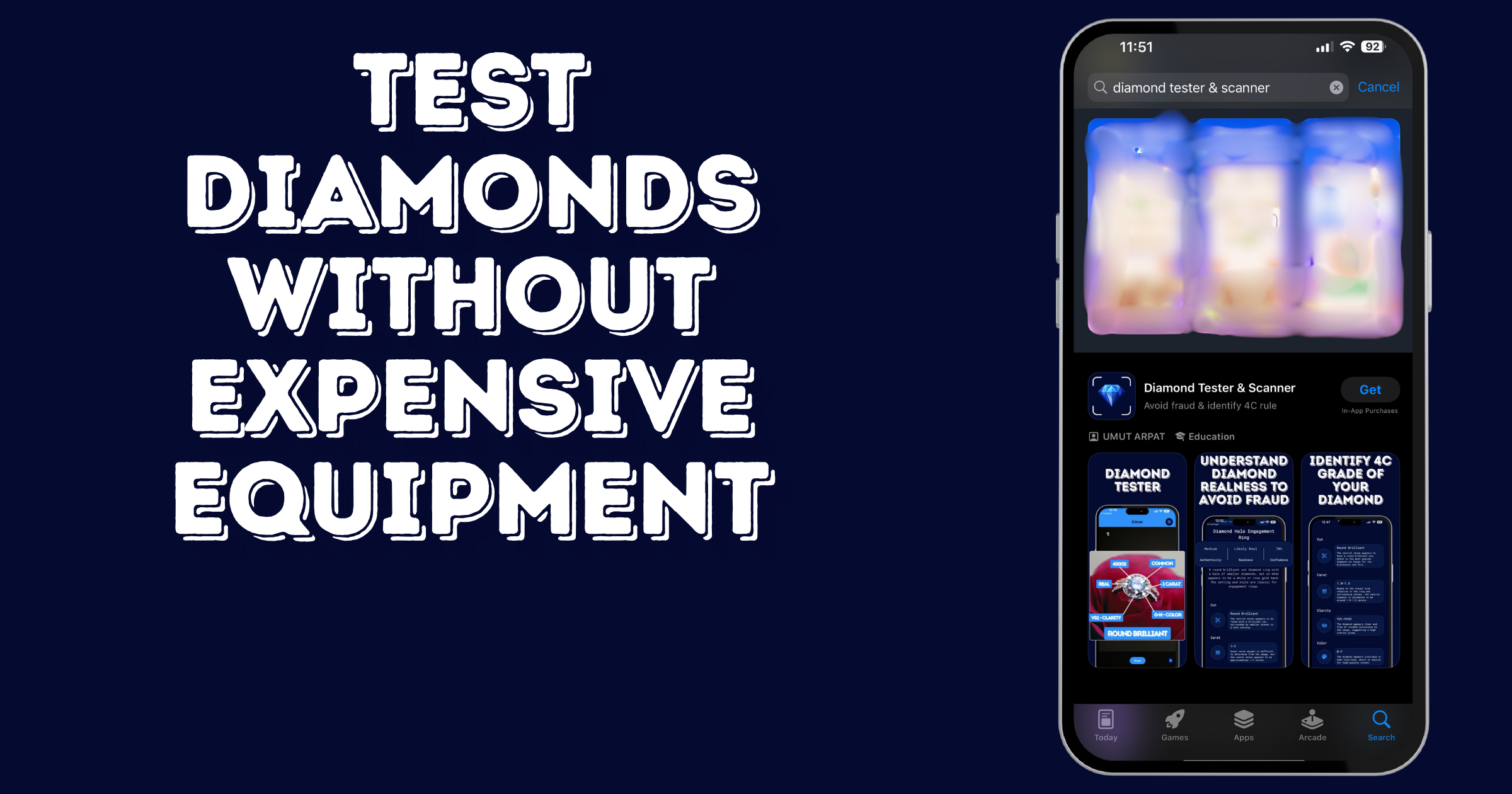
For a fast first look at what you’re dealing with, try snapping a photo of your stone using Diamond Tester. This app offers an AI estimate, helping you decide if further evaluation or a lab report is worth pursuing.
When to Seek Professional Help
For buying, selling, or insuring, it’s wise to consult an independent appraiser or obtain a grading report from a reputable lab like GIA or IGI. These experts can give you a definitive answer and help you understand your stone’s true value.
FAQ
How can I tell if my stone is moissanite or diamond?
Check for double refraction using a loupe and compare the stone’s sparkle. Moissanite shows more fire and double facets.
Can a thermal tester differentiate between diamond and moissanite?
Basic thermal testers might not distinguish them, but advanced models can detect moissanite’s electrical conductivity.
Is moissanite as durable as diamond?
Moissanite is durable, ranking 9.25 on the Mohs scale, slightly less than diamond at 10. It’s resistant to scratching, making it a good choice for everyday wear.
Should I rely solely on a photo-based app for verification?
Apps like Diamond Tester provide a quick AI estimate, but they’re not a substitute for a professional evaluation or lab certification.